

Your manager is leaving for a new job. You made the decision to go for the manager role. You got the job. Congratulations!
But what now?
If you’re feeling a bit awkward, that’s normal. You’re about to go from being a peer with the rest of the team, to being their manager. If you’re feeling nervous then just know you are not alone. I’ve worked with many first-time managers in exactly this position. And if they can succeed, you can too.

Here are my top tips, along with some downloads to help you at the start of what I hope will be a brilliant management career.
You’ve got this!
Define what success looks like
How will you know you’ve had the right kind of impact? Your manager should have some clear ideas on this but it’s good for you to have your own. Think about the ways you’ll measure these and the milestones you want to put in place to keep you focused.
A useful framework is The First 90 Days – a concept developed by Michael Watkins in his book of the same name.
Here’s a template I created for some of my coaching clients to help them think about what success looks like in their first few months as a manager.
You can download my first 90 days template here.
Set up one-to-one meetings asap
One of your first priorities should be booking in one-to-one meetings with each of your direct reports. My advice is to have these in your first week in the role.
It might be the case that one of your former peers in the team also went for the management job you now have. Don’t avoid the awkward conversation. It’s often better to put it out there – acknowledging that it might feel awkward and asking what you can do to help it feel less so.
A framework I’ve taught many managers over the years is the Support/Challenge framework. This helps facilitate a meaningful conversation between you and each of your direct reports – helping clarify the way you’ll behave with each other. It’s particularly useful for clarifying how you’ll both handle things such as giving feedback.
You can download by support/challenge framework here

Set up team meetings asap
As well as the all-important one-to-one meetings, my advice to new managers – particularly those who were a former team member – is to get a team meeting booked in asap. Ideally in your first week in your new role.
I’m a great believer in calling things out. In this instance, that means acknowledging that it might feel weird or awkward for some of the team and that it does for you, too. I’ve found that there is often a sense of relief that comes from externalising these things. When it’s ignored but everyone feels it, that’s when that awkwardness can eat away at a team.
Use the team meeting as an opportunity to not only set out your aims for the team, but to create a space for them to ask questions of you as well. Avoid the trap of thinking that because you’re the manager that you need to do most of the talking.
One of the best things you can do set the tone of your management is to ask for feedback on how the first team meeting went. What worked? What could be better? This is a step that is often missed, according to Professor Steven Rogelberg in his book, The Surprising Science of Meetings. Yet, it sends such as powerful message and gives you useful data when you ask how the meeting went.
Here are 10 things you can do to ensure you have effective meetings.
Set new and clear boundaries
Often the thing that causes the most awkwardness for new managers who were formerly peers is the knowledge that you’re not friends anymore – certainly not in the way you would have been before.
I always heed the very wise words of one of my first ever managers who told me, “You can be friendly, but you can’t be friends. There’s a difference.”
When you have the power to fire someone, how can you be friends? The power dynamic affects things and it’s important to accept that. I’ve seen too many new managers get into hot water because they’ve not set a new boundary. Things get said that shouldn’t. People feel you’re playing favourites. Getting drunk on a night out and saying something inappropriate. These are all things I’ve seen when I’ve conducted HR investigations.
Check out this article for 3 steps to help you set boundaries.
Get a coach, learn to coach
Many studies suggest that coaching can help managers develop confidence, manage stress, develop better work relationships and perform better.
But did you know that as well as receiving coaching, managers who adopt a coaching style are more likely to have more engaged and better performing teams. A Finnish study examined the impact of a managerial coaching style on performance and work engagement. The study, involving nearly 900 people across a range of organisations, found that good quality managerial coaching was linked with good individual performance but there was an even stronger link between managerial coaching and team level performance.
The three elements of managerial coaching are:
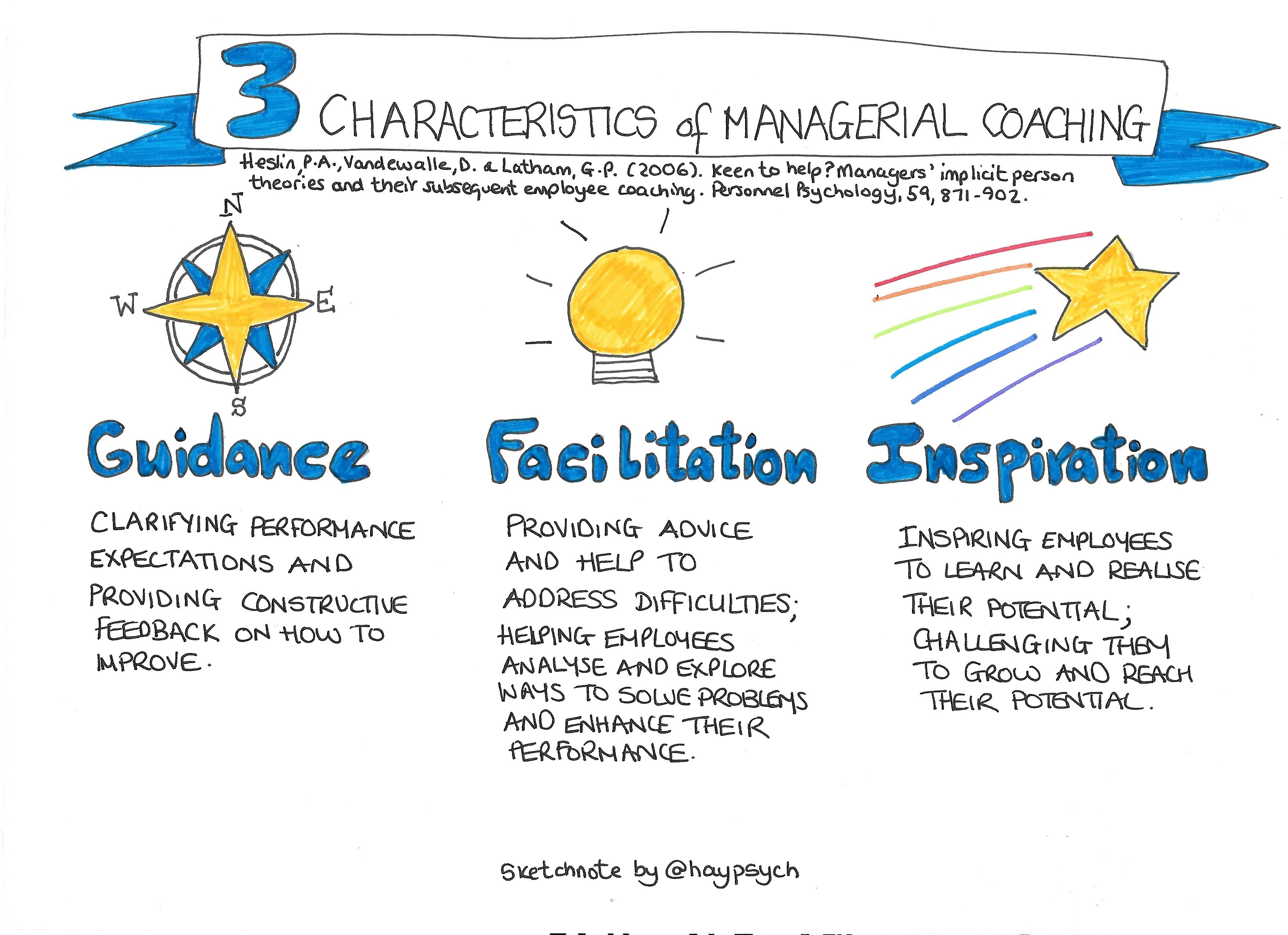
- Providing guidance
- Facilitating
- Inspiring
Create your support network
Being a manager can be tough at times. Those that navigate the ups and downs best have a support network around them. This might consist of:
- Mentors – managers you’ve worked with over the years who you admire and have learned from.
- A coach – whether that’s a professional coach from outside your organisation, or a coach from inside your organisation, such as from the learning and development team.
- Other managers – building your own network of other managers is something I always suggest. The management role is unique, particularly those in middle management. And no-one understands the role quite like other managers.
- Attend management development opportunities – your organisation might offer workshops and training for managers. Make sure to prioritise these as not only can they offer helpful tools and advice, but you’ll get to connect with other managers too.
Seek feedback and give feedback – do this early on, do this often
If you want your team to be open to feedback from you then you need to normalise asking for feedback for yourself and role modelling how to receive feedback. This can also have the added benefit of boosting your team’s performance. For example, leaders who proactively and humbly asked for feedback tended to have more engaged teams and better bottom-line performance.
And remember, when giving feedback to your team, there are three essential questions that this kind of discussion needs to answer:
- Feed up – where am I going? What goals do I need to achieve?
- Feedback – how am I doing?
- Feed forward – where do I go next?
Two frameworks that many managers have told me they find helpful are the BEAR framework and the Feed Forward Interview.
Download my sketchnote summary of the BEAR framework

Download my sketchnote summary of the Feed Forward discussion


Start reflecting on you as a manager
One of the habits I encourage in the managers I coach and teach is reflective practice. This is a powerful habit to cultivate at the start of your management and leadership journey. Leaders who engage in daily reflective practice report being more helpful to others, being more influential, and being more strategic.
Some of the managers I work with don’t engage in daily reflective practice. Some prefer to do it weekly. The main thing is to give it a go. It can help you process some of the issues you face as someone who has stepped from being a team peer to the team manager.
Download this sketchnote summary of the reflective practice cycle of questions
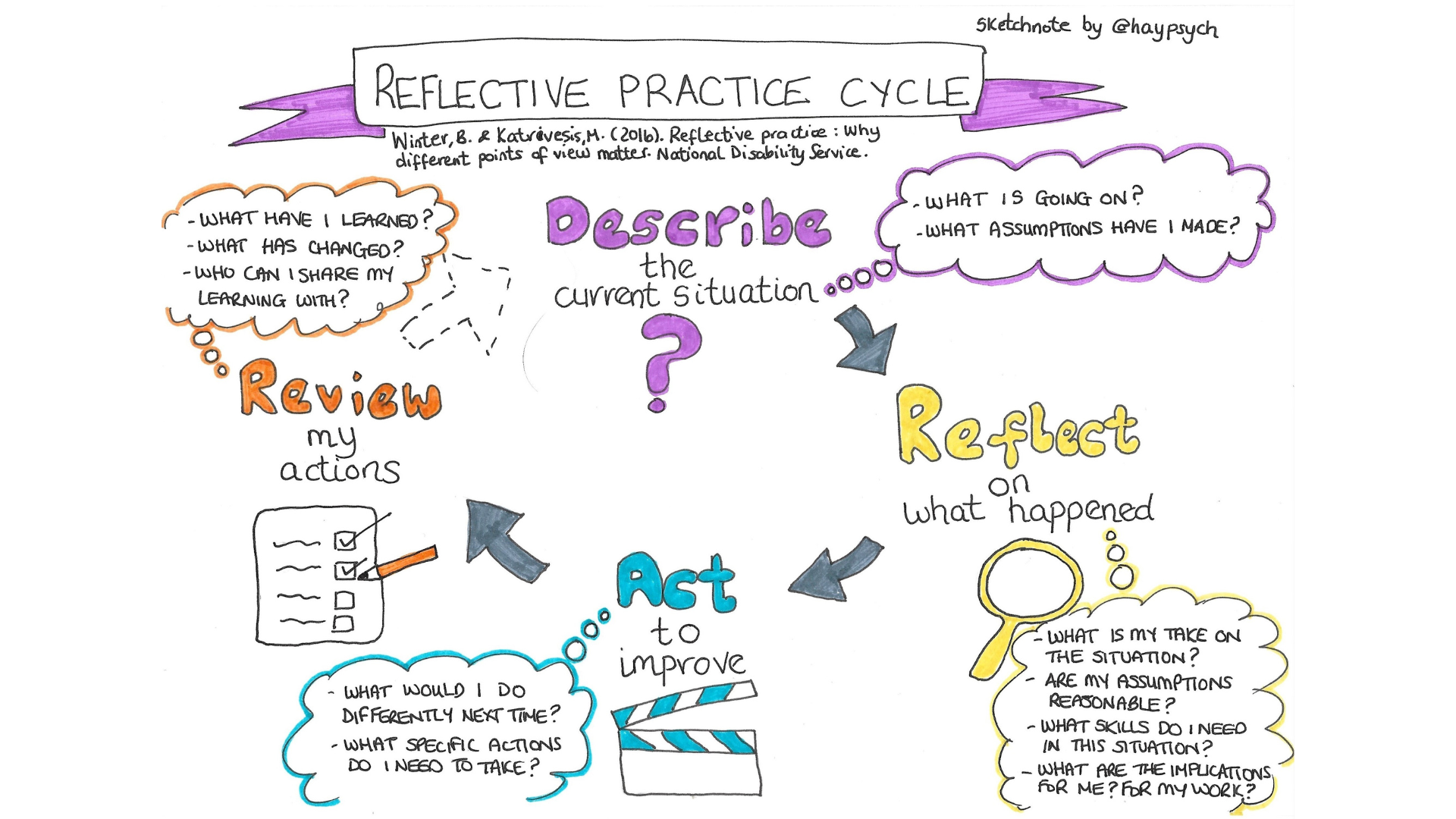
Download this sketchnote summary of reflective questions for leaders

Post author: Dr Hayley Lewis. First published on the HALO Psychology blog 10 February 2025.
Did you find this post helpful? I’d love to know, so Tweet me, or drop me a note on LinkedIn. If you have any colleagues that you feel should read this, too, please share it with them. I’d really appreciate it.
I also have a monthly newsletter which is a compilation of blog posts, helpful research, and reviews of books and podcasts – all aimed at helping managers and leaders become more confident in handling a range of workplace issues. You can subscribe here -> SUBSCRIBE
If you liked this post, you might also like these:
3 tips to help you have a good feedback discussion
5 important skills you need if you manage people
The number one priority for a manager? Self-awareness
REFERENCES